

The psychology behind those who enjoy crime documentaries is a fascinating and complex topic. Crime documentaries often delve into the darkest corners of human nature, exposing the twisted motivations and actions of criminals, particularly serial killers. This morbid fascination with true crime has captivated audiences for decades, but what is the driving force behind this interest? This article will explore the reasons behind the growing popularity of crime documentaries, their potential impact on mental health, the ethical considerations surrounding this genre, and the type of people who are drawn to these chilling stories.
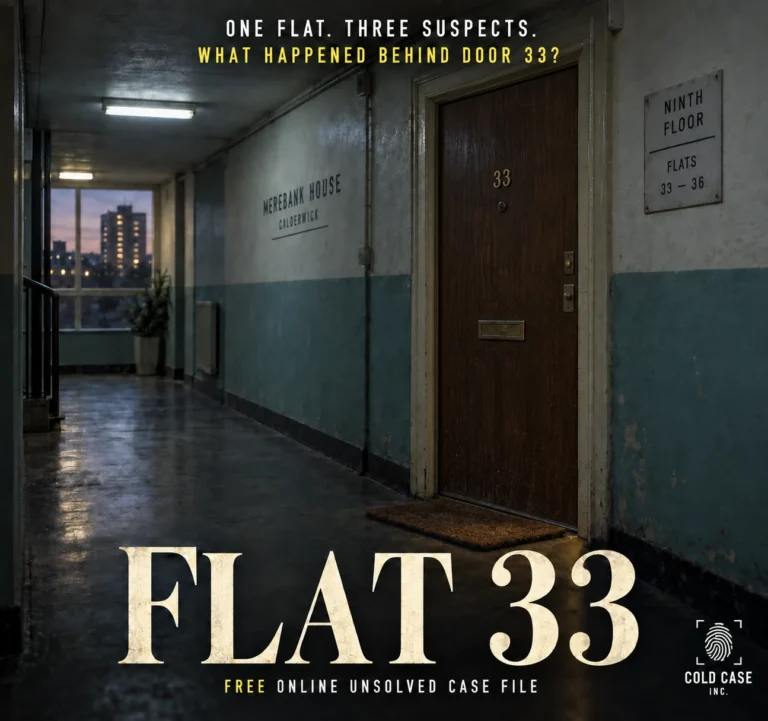
Are you a true crime fan? Fancy trying your luck at playing detective? Give our online unsolved case files a try and see if you can crack a case. Play online instantly, with no downloads or waiting for deliveries.
The Morbid Fascination with True Crime and Serial Killers
Our society has long been captivated by the gruesome and mysterious aspects of true crime. This interest can be traced back centuries, with infamous cases such as Jack the Ripper capturing the public’s imagination. In recent years, however, true crime documentaries have experienced a surge in popularity, fuelled in part by the rise of streaming platforms like Netflix and the success of series like ‘Making a Murderer’ and ‘The Keepers.’
But why are we so drawn to these dark tales? One theory suggests that our interest in true crime is rooted in an innate human desire to understand the motivations behind criminal acts. This curiosity may be driven by a need to feel safe or prepared in the face of potential danger, as understanding criminal behaviour can help us recognise and avoid potential threats.

When Did True Crime Documentaries Become Popular?
While true crime documentaries have been around for decades, their popularity has skyrocketed in recent years. This can be attributed to several factors, including advancements in technology that have made it easier to produce and distribute content, a growing public appetite for gripping stories, and increased media attention on high-profile cases. The rise of streaming platforms like Netflix, Hulu, and Amazon Prime has provided a platform for true crime content to reach a wider audience than ever before. Additionally, platforms such as ours that create unsolved case file investigation games have soared in popularity.
Do True Crime Documentaries Affect Your Mental Health?
There is some debate among experts about the potential impact of consuming true crime content on mental health. For some people, watching these documentaries can be a cathartic experience, as it allows them to confront their fears and anxieties in a controlled environment. Others may find that the constant exposure to violent and disturbing content can lead to feelings of anxiety, depression, or even symptoms of post-traumatic stress disorder (PTSD).
In moderation, watching true crime documentaries can be a healthy way to explore dark subject matter and satisfy our curiosity. However, if you find that your interest in true crime is having a negative impact on your mental health, it may be worth considering a break from the genre.

Why Do People Watch True Crime Content?
The reasons people watch true crime content are varied and personal. Some may be drawn to the genre out of curiosity, while others may have a genuine interest in criminology and the psychology behind criminal behaviour. Additionally, some people may find that watching crime documentaries provides a sense of escapism, allowing them to temporarily forget about their own problems and immerse themselves in a compelling story.
Why Are People Fascinated by Crime Documentaries?
Crime documentaries often provide a unique insight into the human psyche, revealing the motivations and thought processes behind criminal acts. This can be both fascinating and terrifying, as it forces us to confront the darker aspects of human nature. Additionally, crime documentaries often involve elements of mystery and suspense, which can be highly engaging and addictive for viewers.
Why is True Crime a Controversial Genre?
True crime is a controversial genre for several reasons. Firstly, some critics argue that these documentaries can exploit the suffering of victims and their families for entertainment purposes. Secondly, there is concern that the glorification of criminals, particularly serial killers, could inspire copycat crimes or lead to a disturbing fascination with violent behaviour.
Lastly, the accuracy and objectivity of true crime documentaries have come under scrutiny, as some productions have been accused of sensationalism or presenting a biased perspective in order to create a more compelling narrative.

Is It Unethical to Watch True Crime?
The ethics of watching true crime documentaries is a subject of much debate. On one hand, these documentaries can raise awareness of important issues, such as flaws in the criminal justice system or the impact of crime on victims and their families. On the other hand, there is the risk of exploiting real-life suffering for entertainment purposes, as well as the potential for glorifying criminals or encouraging harmful behaviours.
Ultimately, whether it is unethical to watch true crime depends on the individual viewer and the specific content in question. It is important for viewers to be critical of the documentaries they watch and consider the implications of the content they consume.
What Do You Call Someone Who Loves True Crime?
There isn’t a specific term for someone who loves true crime, but these individuals might be described as true crime enthusiasts, aficionados, or fans. Their interest in the genre can stem from a variety of reasons, such as a fascination with criminal psychology, a desire to understand the darker aspects of human nature, or an appreciation for engaging storytelling and suspense.
Are you a true crime fan? Fancy trying your luck at playing detective? Give our online unsolved case files a try and see if you can crack a case. Play online instantly, with no downloads.
Who Is the Target Audience for True Crime Documentaries?
The target audience for true crime documentaries varies depending on the specific content and its focus. However, generally speaking, true crime documentaries appeal to a wide range of viewers, including those with an interest in criminology, psychology, law enforcement, or simply a love of mystery and suspense. The genre has a broad appeal, transcending age, gender, and cultural boundaries.

Why Do People Like Mysteries?
People are often drawn to mysteries because they provide an intellectual challenge and engage our problem-solving abilities. The process of piecing together clues, identifying patterns, and attempting to solve a puzzle can be both entertaining and satisfying. Additionally, mysteries often involve elements of suspense and unpredictability, which can create a sense of excitement and keep viewers engaged.
Is True Crime a Hobby?
For some people, true crime can be considered a hobby. This may involve activities such as reading true crime books, listening to true crime podcasts, attending criminology lectures, or even participating in online forums and discussions about specific cases. As with any hobby, it is important to strike a balance between engaging in the activity and maintaining a healthy perspective on the subject matter.
In conclusion, the psychology behind those who enjoy crime documentaries is multifaceted and complex. Our fascination with true crime can be attributed to a variety of factors, including an innate curiosity about human nature, a desire for intellectual stimulation, and the allure of mystery and suspense. However, it is crucial for viewers to consider the ethical implications of consuming true crime content and to be mindful of the potential impact on their mental health. By approaching the genre with a critical and balanced perspective, true crime enthusiasts can continue to explore the darker aspects of humanity while remaining aware of the ethical and psychological considerations at play.
Explore the appeal of true crime
Compare this with the broader appeal of true crime and our true crime podcast article. If you would rather investigate a fictional story than watch one, the case file games guide explains how that experience works. Our article on documentary controversy considers the gap between a compelling narrative and an unresolved story.


Leave a Reply
You must be logged in to post a comment.